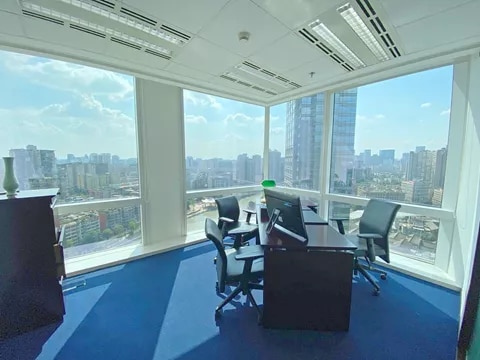
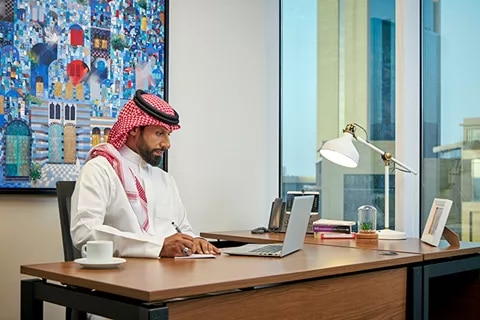
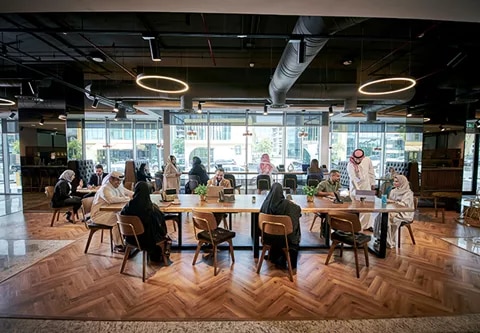
Modern consultants, legal advisors, and financial professionals increasingly operate from flexible offices rather than traditional long‑term leases. As client work moves into shared environments, privacy expectations remain unchanged. Confidential discussions, protected documents, and secure communications still form the foundation of professional relationships.
Professionals searching for coworking environments often evaluate more than location or design. Privacy infrastructure plays a central role in determining whether a workspace supports client-facing work. Reliable coworking environments in Saudi Arabia address this through dedicated meeting rooms, controlled access areas, and sound‑managed work zones designed for confidential conversations.
Consultants, legal professionals, and independent advisors frequently handle sensitive financial data, contracts, or strategic discussions. A workspace must allow them to conduct business without exposing information to surrounding members. Professional coworking operators respond by building layouts that separate collaborative areas from private workspaces and secure communication zones.
Within Riyadh and other major Saudi business districts, demand for secure coworking environments has increased alongside the growth of consulting, advisory services, and international project teams. Companies require flexible workspaces that maintain the same professional standards expected in traditional offices.
Why Client Privacy Matters in Shared Workspaces
Client confidentiality remains a core requirement for professionals operating in consulting, finance, law, and advisory services. When work moves into shared environments, the responsibility to protect sensitive information becomes more complex. Conversations, documents, and digital communications occur within spaces used by multiple companies at the same time.
Professional coworking environments address this challenge through intentional design and operational policies. Workspaces are organized to reduce the likelihood of overheard conversations, accidental document exposure, or unsecured digital access. Members gain the flexibility of shared offices while maintaining professional confidentiality standards.
Several factors influence how well a coworking environment protects client privacy:
- Sound-managed meeting rooms for confidential discussions
- Access-controlled work areas reserved for members
- Secure internet infrastructure for professional communication
- Clear policies regarding shared workspace etiquette
For consultants and advisors, these safeguards allow sensitive conversations to take place without hesitation. Clients expect discretion when discussing financial planning, corporate strategy, or legal matters. A coworking environment that supports privacy enables professionals to deliver services with confidence while operating within a flexible workspace model.
Workspace Design That Supports Confidential Conversations
Professionals who handle sensitive information require more than an open desk and reliable internet. Workspace design plays a direct role in protecting private discussions and safeguarding client material. High quality coworking environments organize space intentionally so confidential conversations occur in controlled settings rather than open work areas.
Meeting rooms form the core privacy infrastructure. These rooms provide enclosed spaces for client calls, contract reviews, and strategy discussions. Acoustic insulation and solid door seals reduce the possibility of nearby members overhearing sensitive details. Many consultants schedule regular client updates inside these rooms rather than speaking from open desks.
A second element involves zoning. Professional coworking operators divide the workspace into areas designed for different levels of interaction. Quiet work sections support focused tasks, while collaborative lounges host informal conversations and networking. This separation limits the exposure of sensitive information in shared areas.
When design, policies, and member expectations align, professionals gain the flexibility of shared workspaces while preserving the discretion their clients expect.
Digital Security and Network Protection in Coworking Environments
Client privacy extends beyond physical conversations. Consultants, financial advisors, and legal professionals regularly exchange contracts, financial reports, and confidential strategy documents through digital channels. A coworking environment must therefore support secure network infrastructure that protects sensitive data from unauthorized access.
Professional operators typically provide segmented business-grade internet rather than a single open WiFi network. Network segmentation separates member traffic, reducing the risk of one company accessing another company’s data stream. Encrypted connections and enterprise firewall systems further protect communication between devices and cloud platforms.
Members who work with confidential files often rely on several common safeguards:
- Private VPN connections for secure document access
- Encrypted cloud storage for client files
- Password-protected devices and shared drives
- Secure printing policies within the workspace
These practices combine with workspace infrastructure to create a secure operating environment. Consultants can review financial statements, prepare contracts, or host confidential video calls without exposing information to other members of the space.
As Saudi Arabia’s consulting and technology sectors continue to expand, many professionals choose workspaces located near Riyadh Tech Hubs. These ecosystems attract startups, advisory firms, and project teams that require both flexibility and professional-grade security while collaborating across organizations.
Best Practices for Maintaining Client Confidentiality in Coworking Spaces
Professionals who work in shared environments often adopt practical habits that reinforce the privacy infrastructure already present in the workspace. Even with secure meeting rooms and protected networks, day to day behavior plays a significant role in protecting sensitive information. Consultants, lawyers, and advisors commonly follow simple routines that reduce the risk of accidental exposure.
One important practice involves choosing the right space for each task. Open work areas are suitable for focused work such as drafting reports or reviewing documents. Client calls and confidential discussions should move to enclosed meeting rooms or call booths where conversations remain private.
Document handling also requires attention. Printed contracts, financial summaries, and project notes should never remain unattended on shared desks. Professionals often rely on secure storage options such as personal lockers or locked drawers provided by the workspace operator.
The following habits help maintain confidentiality throughout the workday:
|
Practice
|
Why It Matters
|
|
Use meeting rooms for client calls
|
Prevents conversations from being overheard
|
|
Lock laptops when stepping away
|
Protects files and communication threads
|
|
Store printed materials securely
|
Avoids accidental document exposure
|
|
Use headphones for video meetings
|
Reduces broadcast of sensitive discussions
|
Consistent habits strengthen the professional reputation of consultants working from shared offices. Clients remain confident that their information is handled carefully, even within flexible workspace environments.
Choosing a Coworking Space That Prioritizes Client Privacy
Selecting the right coworking environment involves evaluating more than interior design or proximity to business districts. Consultants and advisory professionals often review the privacy features of a workspace before deciding where to meet clients or conduct daily work. A well-managed coworking space demonstrates its commitment to confidentiality through both infrastructure and operational standards.
Physical layout is often the first indicator. Workspaces that support professional services typically include multiple enclosed meeting rooms, dedicated call booths, and quiet work areas separated from social lounges. This structure allows professionals to shift between focused work and confidential conversations without exposing sensitive information to surrounding members.
Access control also plays a role in maintaining discretion. Professional operators may use keycard entry, monitored reception areas, and member-only zones to limit unnecessary traffic through workspaces. These systems create a controlled environment that resembles a traditional office while maintaining the flexibility of coworking.
Professionals evaluating privacy-focused coworking environments often review several factors:
- Availability of sound-insulated meeting rooms
- Private call booths for confidential conversations
- Secure internet infrastructure for business communication
- Reception teams trained to handle visitors and client arrivals
When these elements are present, consultants and advisors can host meetings, manage projects, and collaborate with clients in a workspace that supports both flexibility and professional confidentiality standards.
Frequently Asked Questions